-
 Guy's Letters
Blame Game
- Posted: 02/23/03
- 521 words
- 8 Views
- Comments (1)
What's wrong with knowing that someone or something outside of me is responsible for making me feel unhappy? Over and over I fall into the trap of wanting to lash out and blame other people for what seem to me to be injustices in their actions. How can I learn to suppress that immediate reaction to point the finger at someone else? After certain negative events take place, I think I'll regain...
-
 Short Talk
Blame Schmame
- Posted: 04/25/09
- Time: 00:06:29
- 7 Views
- Comments (0)
What's the difference between blaming someone else for the way you feel, and blaming yourself for something that you have done? There is no difference; they are both essentially the same. So what do blaming others and blaming yourself share in common? They are both an avoidance. We blame others for our negative states so that we don't have to do anything other than see the source of our suffe...
-
 Inspirational Quote
Stop Bumping and Blaming, and Feel Free!
- Posted: 03/10/06
- Meeting: 03/10/06
- 35 words
- 0 View
- Comments (0)
Identifying with a negative state -- and resenting someone else for how you feel -- is like bumping your elbow on your own bedroom door and blaming your next-door neighbor for the pain you're in!...
-
 Special Lesson
Rise Above the Blame Game
- Posted: 09/21/09
- 360 words
- 17 Views
- Comments (0)
Blaming conflict-filled feelings on any condition, or person, outside of yourself is like getting angry at your shoes for being laced too tight. So here is an effective inner life step designed to help you grow and develop greater spiritual strength: No matter what happens, never blame anyone -- or anything -- for the way you feel. Rising above the blame game is the same as learning how to be...
-
 Student Talk
Stop Blaming and Start Digging
- Posted: 03/16/19
- Meeting: 03/15/19
- Time: 00:52:08
- 5 Views
- Comments (0)
Student Talks: 3/15/2019 - Key Lesson: The real reason we so quickly summarily resist or reject the suffering of others is because it reminds us of what we're unable to keep buried and out of sight in our own "backyard."
-
 Special Lesson
Break the Familiar Pattern of Pain and Blame
- Posted: 05/23/23
- 519 words
- 4 Views
- Comments (0)
As a race of beings, we have become completely complicit in the pain that visits us. A thought from the past pops up and punishes us. Someone says something we don't like, and we try to punish them and feel the pain of the blame that we place on them. There is an endless series of relationships with a part of our own nature that has convinced us that the pain is produced by a condition outside of us...
-
 Special Lesson
Start Seeing Through the Blame Game
- Posted: 07/26/04
- 522 words
- 14 Views
- Comments (0)
Wouldn't you agree that no real friend of yours would ever want you to hurt yourself? And wouldn't you also agree that if you did have a trusted friend that you later found out had lied to you, you wouldn't trust him again -- at least not the third, fourth, or fifth time? You know the saying: Fool me once, shame on you. Fool me twice, shame on me! For the sake of our studies, let me add one mo...
-
 Special Lesson
Break Out of the Blame Game
- Posted: 03/26/06
- 529 words
- 5 Views
- Comments (0)
Blaming conflict-filled feelings on any condition or person outside yourself is like getting angry at your shoes for being laced too tight. So here's an effective inner life step designed to help you grow and to develop greater spiritual strength: No matter what happens, never blame anyone -- or anything -- for the way you feel. Rising above the blame game is the same as learning how to be in...
-
 Advanced Inner Life Talk
Awaken the New You that Ends All Blame
- Posted: 06/07/02
- Meeting: 06/07/02
- Time: 00:43:49
- 3 Views
- Comments (0)
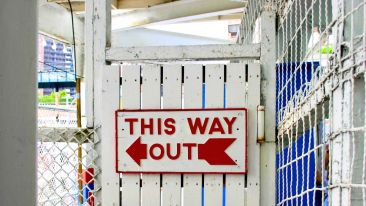
Classroom Talk: 6/7/2002 - Part 1: Those pointed negative states that jump out of us whenever we rush to blame someone else for our pain are always dead-end streets whose one-way signs deceptively read: This way out! Part 2: In a heated moment of a trial with someone else, instead of struggling in vain to get him or her to see the lesson in it for them, we should learn to ask ourselves, "What is the hidden lesson in this for me?"
-
 Student Talk
Blaming Others or Yourself Is Always a Waste of the Moment
- Posted: 05/24/20
- Meeting: 05/22/20
- Time: 00:36:36
- 6 Views
- Comments (0)
Student Talks: 5/22/2020 - Key Lesson: Blame does NOT work. Any solution based in blame only postpones the moment when we'll blame again. There is nothing to blame for how we feel; there's only what we've yet to realize about our present level of consciousness. Seeing this (as true) places responsibility for our experience...
-
 Student Report
Student Reports on the "Blame Trap" Exercise
- Posted: 02/07/18
- Meeting: 02/07/18
- Time: 00:12:00
- 3 Views
- Comments (0)
Work to catch the reaction of blame when something happens and you become impatient, anxious, or angry. Consciously bear the pain you are in and become aware of the temptation to blame. This will draw to you the higher help that you need to use the pain for a greater purpose.
-
 Special Lesson
Just Say "No" to Blaming Others
- Posted: 01/19/09
- 322 words
- 9 Views
- Comments (0)
A big part of our inner work in all of our relationships involves remembering this key idea: whenever we are not present and properly attentive to ourselves, we may be sure the false self is busy attending to something we'll be paying for in the days ahead. Disconcerting, yes; but there's no denying it: there are unconscious parts of us that feel good about getting us to do wrong! Whenever we...

The Essential Laws of Fearless Living
Here is your step-by-step guide to building the foundation of a fearless life. Learn how to see through the illusion of limitation and become unstoppable.